6 Best Discus Fish Tanks for a Thriving Underwater World
Discus are the “kings of the aquarium,” but they are also very sensitive, demanding, and thermophilic fish. To choose the best Discus Fish Tank, you need to focus not so much on the external design, but on technical parameters and ease of maintenance.
Here are the main criteria for choosing the ideal discus fish tank:
- Tank Volume. Although there is a general rule of thumb in fishkeeping that “one adult fish needs about 10–15 gallons of water” (meaning 60–80 gallons for a group of 6), the actual range of volumes is much broader and depends on your goals:
- Breeding tanks: For a established breeding pair of discus, aquarists often use 20–29 gallon tanks (most commonly 20x20x20-inch cubes or standard rectangular tanks). In these volumes, the pair feels secure, and it is easier for them to care for the fry.
- Quarantine and hospital tanks: Tanks sized 20–30 gallons are suitable for treating or acclimating new fish.
- Keeping a small group (up to 40–50 gallons): Discus are sometimes kept in these volumes, but this requires immense experience, almost daily water changes (up to 50% or more), and no tank mates. Small volumes accumulate toxins quickly, making this a high risk for beginners.
- A 55 gallon discus tank is a popular starting size for keeping a small school of 4–6 juvenile fish.
- 75–90 gallons — Considered the “sweet spot” for a home display tank. In this volume, the fish have enough space for swimming, establishing pecking orders, and growing to full size, while the ecosystem remains much more stable.
- The ideal choice for a large school (8–12+ individuals) alongside tank mates (such as tetras or catfish). A large volume of water significantly cushions parameter swings and allows discus to reach their maximum potential size (6–8 inches in diameter).
- Dimensions and Shape.
- Tank Height: At least 20–24 inches. Discus are tall, disk-shaped fish that can grow up to 6–8 inches in diameter, so shallow tanks are not suitable for them.
- Shape: Classic rectangular. Avoid: Round, overly narrow, or deep corner tanks — it is difficult to organize quality filtration and circulation in them without creating a harsh current.
- Filtration and Water Turnover. Discus require pristine water free of ammonia and nitrites, as well as high temperatures (82–86 °F).
- External Canister Filters: Ideally two connected canister filters or one with a large power reserve. This allows you to clean one filter without disrupting the bio-balance in the other.
- Sump: The ideal solution for large tanks starting from 100 gallons.
- Moderate Flow: Filtration should be powerful in terms of turnover volume, but without strong currents in the swimming area.
- Temperature Control and Equipment.
- Lighting: Moderate or dimmable. Excessively bright lighting causes stress for discus.
- Heating: You need 2 heaters (e.g., 2 × 200W instead of a single 400W) with a thermostat. If one fails, the second will save the fish from chilling (discus require 82–88 °F).
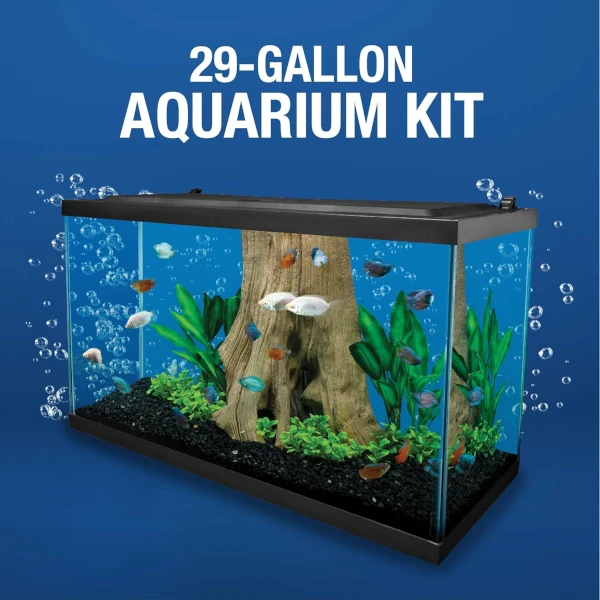
Tetra 55 Gallon Complete Fish Tank Kit
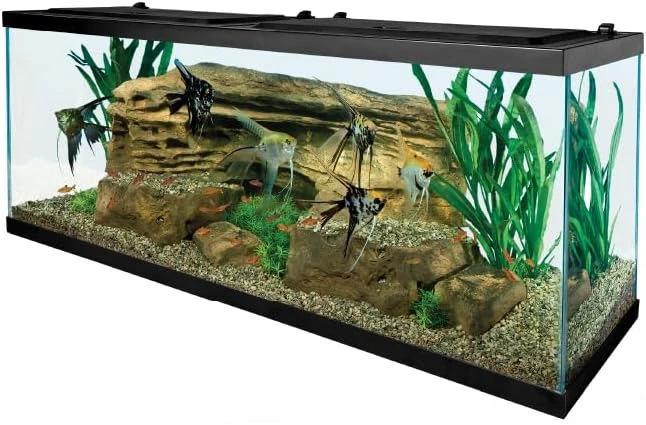
The Tetra LED 55 Gallon Complete Fish Tank Kit is a large rectangular glass aquarium setup. Its dimensions are 50.63″L x 14.75″W x 23.25″H. The kit features two hinged hoods with energy-efficient white LED lighting. It includes a Tetra Whisper PF60 power filter, a 200-watt heater, a thermometer, and an air pump.
Why is this aquarium great for Discus fish?
Discus are large, schooling tropical fish that require ample swimming space. A 55-gallon capacity provides the essential room needed for a small group of Discus. The 23.25-inch height accommodates their tall, disc-shaped bodies comfortably. The included heater helps maintain necessary tropical warmth.
Pros
Cons
LANDEN 105 Gallon Rimless Aquarium
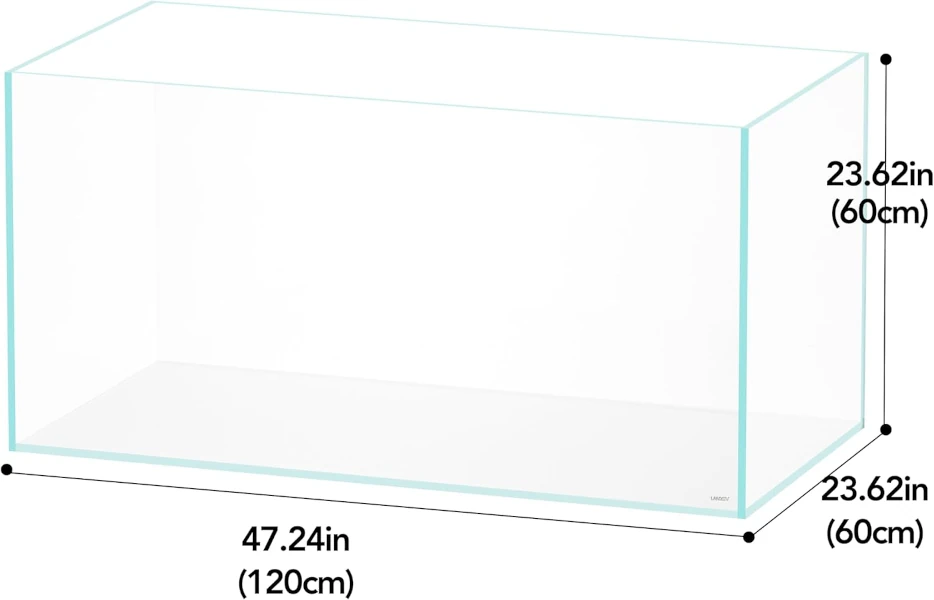
The LANDEN 105 Gallon Ultra Clear Glass Rimless Fish Tank is a premium large rectangular aquarium built with 12mm thick low-iron glass. Its dimensions are 47.2″L x 23.6″W x 23.6″H. It features 91% glass transparency and seamless silicone joints. The tank comes complete with a protective EVA foam base leveling mat.
Why is this aquarium ideal for Discus fish?
A massive 105-gallon capacity provides an ideal environment for keeping a healthy school of Discus. The 23.6-inch depth and 23.6-inch height offer expansive vertical and horizontal swimming space for these tall fish. Ultra-clear glass showcases the vibrant colors of Discus without any green distortion. The open-top rimless build lets you easily install high-capacity canister filters and overhead reef-quality lights.
Pros
Cons
LANDEN Cube 60C 52.4 Gallon Rimless Aquarium
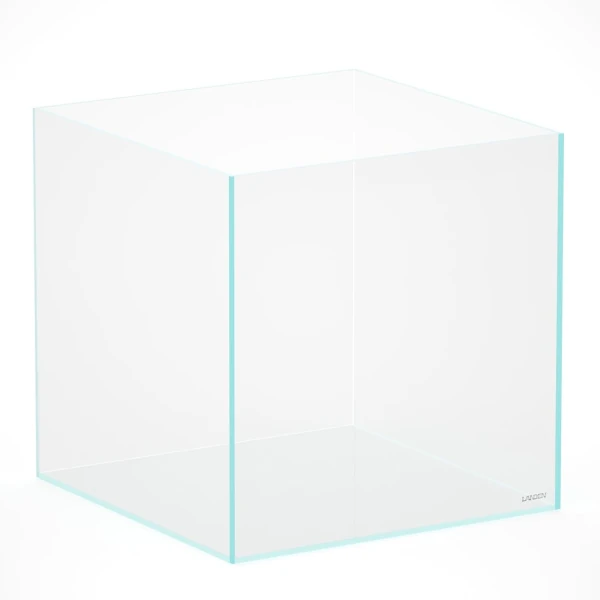
The LANDEN Cube 60C 52.4 Gallon Ultra Clear Glass Rimless Fish Tank is a cube aquarium made of 10mm thick low-iron glass. Its dimensions are 23.6″L x 23.6″W x 23.6″H. It features 91% glass transparency and mirror-polished edges. The tank comes complete with a dense protective base leveling mat.
Why is this aquarium great for Discus fish?
A 52.4-gallon capacity in a cubic shape offers a spacious environment for a small group of Discus. The 23.6-inch height and depth provide generous swimming room suited for their tall body profiles. Ultra-clear glass shows off the intricate body patterns of Discus without any green color distortion. Its open-top build allows full freedom to attach canister filters and overhead lighting.
Pros
Cons
LANDEN 90P Wide 55 Gallon Rimless Aquarium

The LANDEN 90P Wide 55 Gallon Ultra Clear Glass Rimless Fish Tank is an extra-wide rectangular aquarium made of 10mm low-iron glass. Its dimensions are 35.4″L x 19.7″W x 19.7″H. It features 91% glass transparency and mirror-polished edges. The tank comes complete with a protective EVA foam leveling mat.
Why is this aquarium great for Discus fish?
A 55-gallon capacity paired with an extra-wide 19.7-inch depth provides fantastic swimming room for a group of Discus. The added depth makes aquascaping with tall driftwood and background plants much easier. Ultra-clear glass presents the vibrant colors of Discus without any green tint. The open rimless design allows seamless installation of canister filters and overhead lights.
Pros
Cons
LANDEN Cube 50C 31 Gallon Rimless Aquarium
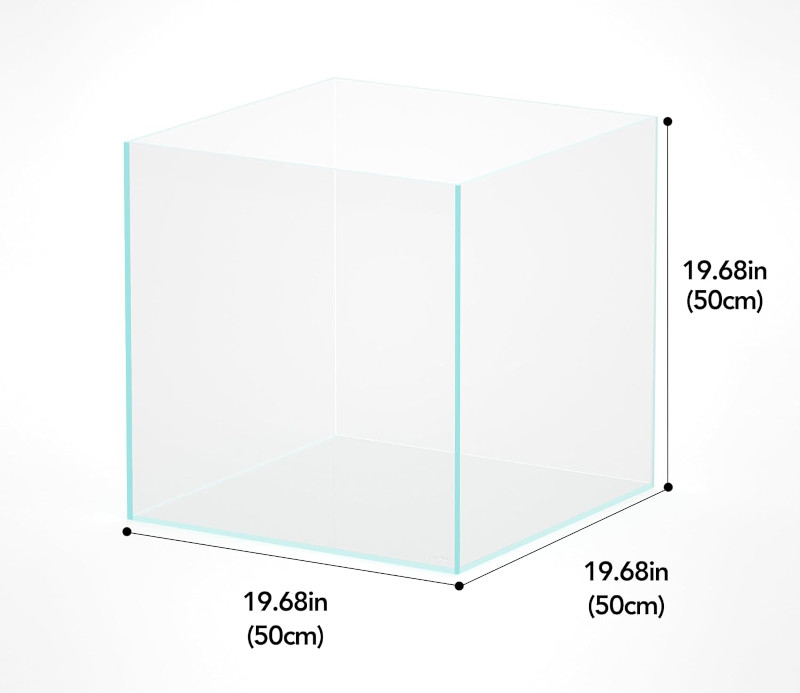
The LANDEN Cube 50C 31 Gallon Ultra Clear Glass Rimless Fish Tank is a cube aquarium made of low-iron glass. Its dimensions are 19.7″L x 19.7″W x 19.7″H. It features 91% glass transparency and mirror-polished edges. The tank comes complete with a protective base leveling mat.
Why is this aquarium good for Discus fish?
A 31-gallon cubic space works well for keeping a pair of Discus or raising juvenile fish. The 19.7-inch height and depth provide good vertical and horizontal swimming space for their tall bodies. Ultra-clear glass showcases the vivid colors of Discus without any green tint. Its open-top design lets you easily mount external canister filtration and overhead lighting.
Pros
Cons
Gingerbread Pet Supply 20 Gallon Tall Rimless Aquarium
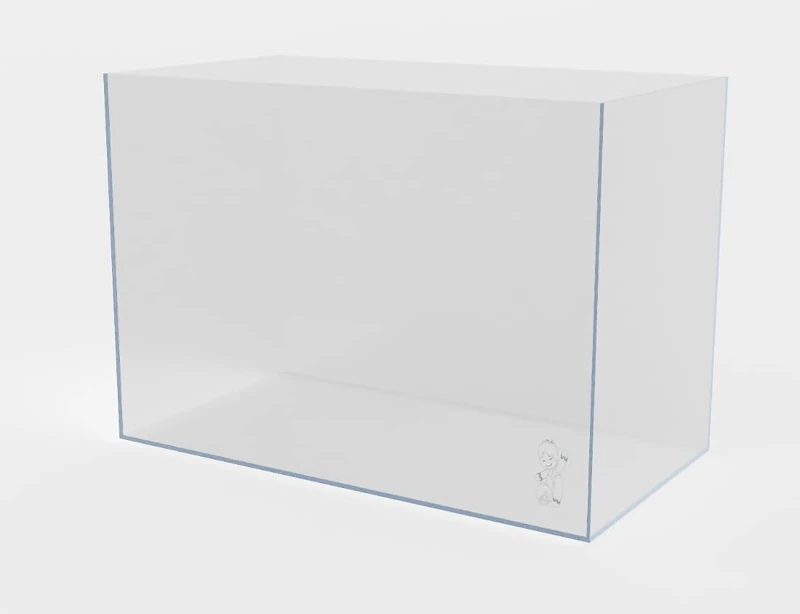
The Gingerbread Pet Supply 20 Gallon Tall Rimless Glass Aquarium is a tall rectangular tank made of ultra-clear low-iron glass. Its dimensions are 24.8″L x 12.99″W x 16.93″H. It features rounded edges and seamless glass joints. The package includes a 1/4 inch thick black leveling mat.
Why is this aquarium good for Discus fish?
The tall vertical proportion with a 16.93-inch height suits the disc-shaped bodies of Discus fish. Ultra-clear glass shows off the vivid colors of young fish without distortion. A 20-gallon capacity serves well as a grow-out tank for juvenile Discus or a quarantine setup. The open rimless design allows easy mounting of external filters and heaters.
Pros
Cons
FAQ
A group of 5 to 6 adult Discus requires a tank size of at least 55 gallons. Discus are schooling fish and should not be kept alone. Larger volumes of 100 gallons or more offer the best water stability.
Discus require very warm tropical water to stay healthy. The ideal water temperature ranges between 82°F and 86°F. You will need a reliable, high-wattage aquarium heater to maintain this steady warmth.
Discus have tall, round, disc-shaped bodies. They require an aquarium height between 20 inches and 24 inches. Tall glass walls provide ample room for them to swim and display their fins fully.
A high-capacity external canister filter is the best choice for Discus. Discus are extremely sensitive to poor water quality and ammonia spikes. The filtration system must clean the water thoroughly without creating excessively strong currents.
Small 20 to 30-gallon tanks are only suitable for raising young juveniles or for temporary quarantine. Adult Discus grow up to 6 to 8 inches in diameter. A small tank becomes far too cramped for fully grown fish.